HOW ONE MUSIC VIDEO CHANGED MY LIFE
There are moments in life that don't seem important when they're happening. Then years later, you look back and realize everything changed because of that one moment.
AT A GLANCE
The people, the role and the setting behind the project.
- Status
- Completed
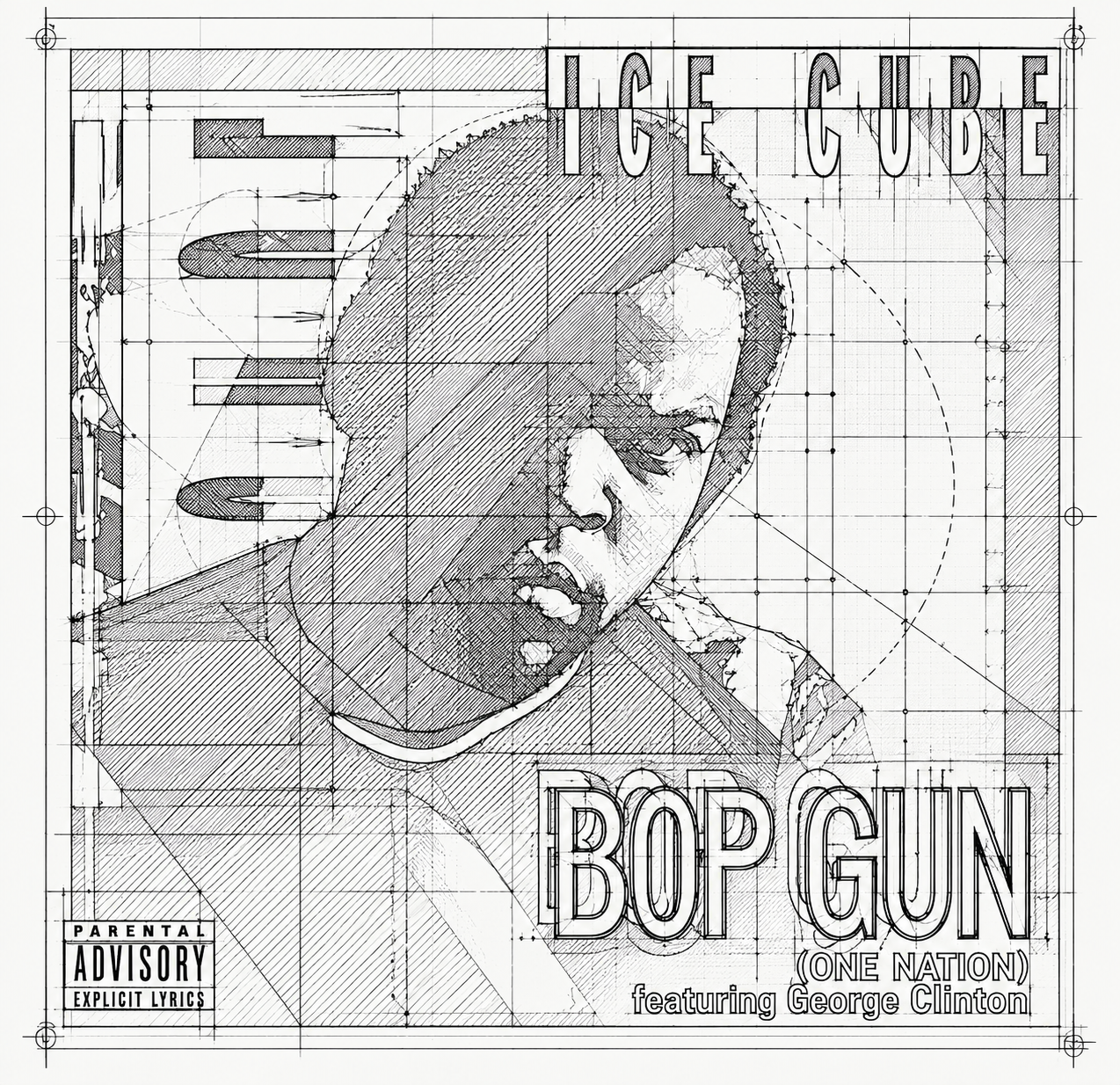
The Story Behind Ice Cube’s Bop Gun
By Cameron Casey
There are moments in life that don’t seem important when they’re happening. Then years later, you look back and realize everything changed because of that one moment.
For me, that moment was a music video.
A video called Bop Gun.
At the time, I thought I was directing another project. Another artist. Another shoot. Another opportunity.
What I didn’t realize was that I was standing in the middle of a historic moment in American music.
A moment that connected the pioneers of funk to the future of hip-hop.
A moment that would change the trajectory of my career.
But to understand why Bop Gun mattered, you first have to understand where I came from.
01 / SAN FRANCISCO BAY AREA BUILT ME
My story didn’t begin in Hollywood.
It began in Northern California, in the San Francisco Bay Area. Long before social media. Long before YouTube. Long before anybody could pull a phone out of their pocket and become a content creator.
Back then, creating visual content was hard.
Equipment was expensive. Editing was difficult. Distribution was limited.
You had to want it.
The Bay Area was a special place during that period. There was an energy. A creativity. An independence.
Artists weren’t waiting for New York. They weren’t waiting for Los Angeles.
They were creating their own movement. Building their own businesses. Creating their own culture.
And I was lucky enough to be documenting part of it.
What I learned in Oakland wasn’t simply filmmaking.
I learned culture.
I learned authenticity.
I learned how to tell stories.
Most importantly, I learned how to earn trust.
The artists trusted me because I understood the environment they came from. I wasn’t looking down on the culture. I was part of it.
Those years became my education.
The streets became my classroom. The artists became my teachers.
I didn’t know it then, but Oakland was preparing me for something much bigger.
02 / THE MOVE SOUTH
Like so many people chasing bigger opportunities, eventually I moved to Los Angeles.
It wasn’t easy.
I wasn’t arriving with a famous name. I wasn’t arriving with huge credits.
I was arriving with ambition.
And a camera.
I was trying to establish myself in one of the most competitive entertainment markets in the world.
Every project mattered. Every opportunity mattered. Every introduction mattered.
You never knew which job might become the one that changed everything.
Then one day, an opportunity came across my desk.
Ice Cube.
Bop Gun.
03 / MORE THAN A MUSIC VIDEO
At first glance, Bop Gun looked like another music video.
But it wasn’t.
Not even close.
The song drew from the legendary Parliament-Funkadelic tradition.
George Clinton was involved.
Bootsy Collins was involved.
Ice Cube was involved.
Generations of music history were colliding in one project.
At the time, hip-hop was exploding. But many younger fans didn’t fully understand where the music came from.
They knew the samples.
But they didn’t always know the architects.
Bop Gun became a bridge.
A bridge connecting the creators of funk to a new generation of hip-hop fans.
And somehow, I found myself standing right in the middle of that moment.
04 / MEETING LEGENDS
One of the things that struck me most was realizing who I was working with.
George Clinton wasn’t just another artist. He was a cultural architect.
Bootsy Collins wasn’t just a bass player. He was one of the most recognizable figures in American music history.
Their influence stretched across decades.
Without their contributions, the story of funk, G-funk, and hip-hop would be very different.
Now imagine being a young director and suddenly finding yourself responsible for capturing that energy.
It was exciting.
It was intimidating.
And it was an incredible responsibility.
Because I knew we weren’t just making a music video.
We were documenting history.
05 / THE SHOOT
What made the project special wasn’t the budget.
It wasn’t the equipment.
It wasn’t the production value.
It was the chemistry.
There was a feeling on set.
A feeling that something important was happening.
You could feel the connection between generations.
The original pioneers.
The new pioneers.
The legends.
The future legends.
Everybody sharing the same space.
That energy found its way onto the screen.
Audiences felt it. The industry felt it. The culture felt it.
And the video became something much bigger than I had expected.
06 / THE IMPACT
When the record was released, people responded.
The song became a major success. The video received significant exposure.
The industry noticed.
Suddenly, doors started opening.
People who had never heard of me before now knew my work.
The project elevated my profile.
But more importantly, it gave me credibility.
Credibility is everything in entertainment.
One successful project can change how an entire industry sees you.
And that’s exactly what happened.
07 / THE CAREER EXPLOSION
After Bop Gun, opportunities accelerated.
More artists.
Bigger artists.
More genres.
More countries.
More creative challenges.
What had started in Oakland was now expanding across the music industry.
I had opportunities to work with major artists from hip-hop, R&B, pop, soul, and international markets.
The career grew.
The projects grew.
The vision grew.
But none of it happened overnight.
What looked like an overnight success was actually years of preparation meeting one incredible opportunity.
08 / WHAT BOP GUN REALLY TAUGHT ME
Looking back now, the biggest lesson wasn’t about music videos.
It wasn’t about fame.
It wasn’t about success.
The lesson was about preparation.
People see the breakthrough.
They don’t see the years before the breakthrough.
The years when nobody is watching.
The years when you’re building skills.
Building relationships.
Building character.
Bop Gun wasn’t simply luck.
It was preparation meeting opportunity.
Oakland prepared me.
The Bay Area prepared me.
Every project prepared me.
Every failure prepared me.
Every lesson prepared me.
Then one day, the opportunity arrived.
And I was ready.
09 / THE BIGGER PICTURE
Today, when I think about Bop Gun, I don’t think about charts.
I don’t think about ratings.
I don’t think about industry recognition.
I think about legacy.
I think about standing in the middle of a moment where one generation passed something valuable to the next.
I think about George Clinton.
I think about Bootsy Collins.
I think about Ice Cube.
I think about culture.
I think about storytelling.
I think about a young filmmaker from the Bay Area who never imagined where a camera would take him.
Because in the end, Bop Gun wasn’t the destination.
It was the bridge.
The bridge between where I came from and everything that came after.
And that’s why, all these years later, it’s still one of the most important stories of my life.
THE LESSON / BUILD WHAT MATTERS
Preparation creates opportunity. Relationships create trust. Culture connects generations.
The best work doesn’t simply capture a moment.
It becomes part of a larger story.
And sometimes, the project you think is just another job becomes the experience that changes everything.
WHAT ARE YOU BUILDING?
Every project begins with an opportunity, a decision and a story worth telling. I'd like to hear yours.